ISO 29001:2010 is a quality management system standard developed specifically for the petroleum, petrochemical and natural gas industries. It establishes sector-specific requirements for organizations involved in the supply chain, helping them improve product and service quality, manage risks, and maintain consistent operational performance.
The standard builds upon ISO 9001 quality management principles and includes additional requirements relevant to the oil and gas sector, where reliability, safety, traceability and the prevention of failures are particularly important.
What is ISO 29001:2010?
ISO 29001:2010 specifies quality management system requirements for organizations supplying products and services to the petroleum, petrochemical and natural gas industries. It focuses on reducing variation, preventing defects and improving the reliability of products and services throughout the supply chain.
The standard was designed to address industry-specific quality challenges beyond general quality management requirements. It supports organizations in establishing controlled processes, evaluating suppliers, managing risks and maintaining documented evidence of conformity.
Why is ISO 29001 important?
Oil and gas operations depend on equipment, materials and services that must perform reliably under demanding conditions. ISO 29001 supports a structured approach to quality management, helping organizations reduce non conformities, improve process consistency and strengthen confidence among customers and business partners.
Key Elements of ISO 29001:2010
ISO 29001 emphasizes effective quality management practices tailored to the petroleum, petrochemical and natural gas industries.
Customer Focus
Risk Management
Process Control
Quality Assurance
Performance Evaluation
Supply Chain Control
Continual Improvement
Who is ISO 29001:2010 for?
ISO 29001 is intended for organizations that manufacture, supply, distribute, install or provide services for the petroleum, petrochemical and natural gas industries. It can be relevant to organizations of different sizes and roles within the sector's supply chain.
Industries and organizations that may benefit
- Oil and gas equipment manufacturers.
- Petroleum and petrochemical product suppliers.
- Natural gas industry service providers.
- Engineering, maintenance and technical service companies.
- Industrial component and material manufacturers.
- Organizations supplying products to oil and gas projects.
- Contractors and suppliers seeking stronger quality management practices.

How will it benefit my business?
- Improve the consistency and reliability of products and services.
- Strengthen quality controls across manufacturing and service processes.
- Identify and manage operational and quality-related risks.
- Reduce defects, rework and avoidable process failures.
- Improve supplier evaluation and supply chain oversight.
- Enhance documentation, traceability and process accountability.
- Build customer confidence in the petroleum and natural gas sectors.
- Support continual improvement and operational efficiency.
ISO 29001:2010: Benefits
Implementing an industry-focused quality management system can help organizations establish consistent operating procedures, control product and service quality, and improve coordination between departments, suppliers and customers.
By emphasizing risk-based controls, documented processes and the prevention of non conformities, ISO 29001 can help organizations strengthen reliability and demonstrate their commitment to quality throughout the oil and gas supply chain.
Should my organization pursue certification?
Certification may be worth considering if your organization supplies products or services to the petroleum, petrochemical or natural gas industries and needs to demonstrate conformity with applicable quality management requirements. Before proceeding, confirm customer requirements, applicable industry specifications and the current status of the standard with a qualified certification body.
How do I get started with ISO 29001:2010?
Successful implementation starts with understanding the organization's activities, customer expectations and applicable industry requirements.
Key implementation tips
- Define the scope of the quality management system.
- Identify customer, regulatory and industry-specific requirements.
- Evaluate existing processes and identify quality gaps.
- Establish documented procedures and operational controls.
- Implement supplier evaluation and risk management practices.
- Train employees and assign responsibilities.
- Conduct internal audits and management reviews.
- Address non conformities and prepare for the external audit.
An implementation plan should reflect the organization's size, operational complexity, product range and customer-specific requirements.
Related Standards
The following standards may be relevant to quality, environmental management, occupational safety and sector-specific operations:
- ISO 9001 – Quality management systems.
- ISO 14001 – Environmental management systems.
- ISO 45001 – Occupational health and safety management systems.
- API Q1 – Quality management requirements for organizations supplying products to the petroleum and natural gas industries.
- API Q2 – Quality management requirements for service supply organizations in the petroleum and natural gas industries.
The suitability and current editions of these standards should be confirmed against your organization's scope and customer requirements.
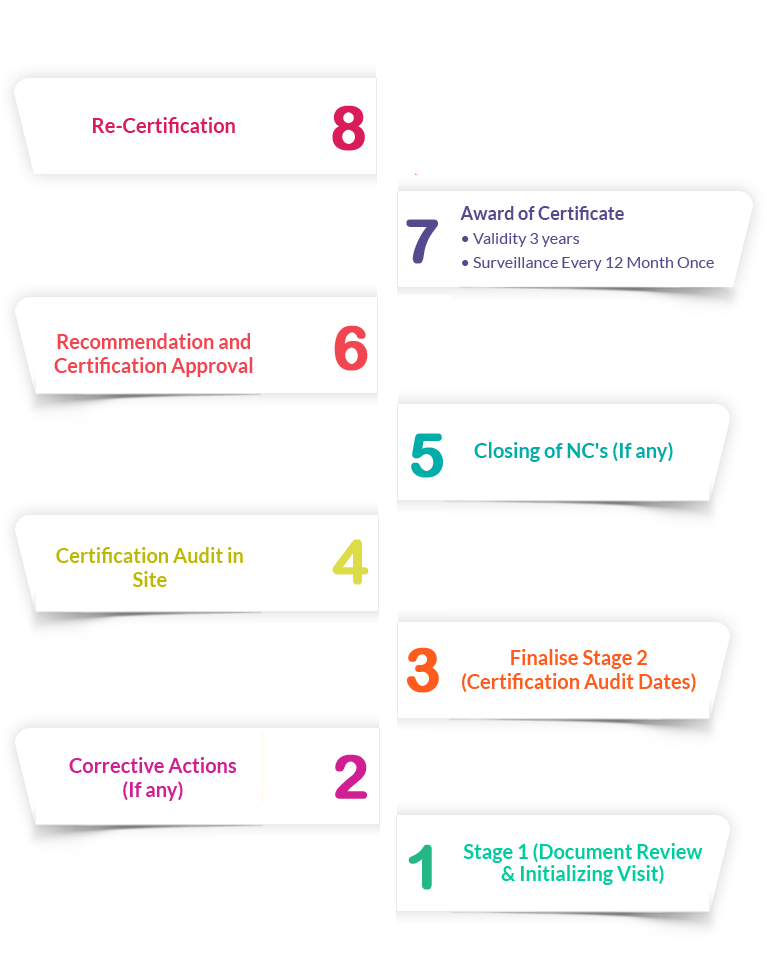
Certification Process
-
01
Preliminary Audit (Optional)
Review existing quality management practices, identify gaps and assess readiness against applicable ISO 29001 requirements.
-
02
Certification Audit (Stage 1/2)
The certification body reviews documented information and evaluates the implementation and effectiveness of the quality management system.
-
03
Certification Decision
Following the audit, identified non conformities must be addressed and reviewed before a certification decision is made.
-
04
Surveillance Audits
Periodic surveillance audits assess continued conformity and the ongoing effectiveness of the quality management system.
-
05
Recertification
Recertification evaluates the continued suitability and effectiveness of the management system before the certificate's validity period ends.