The ISO 50000 family of standards focuses on energy management, energy efficiency, and the continual improvement of energy performance. These standards help organisations understand energy consumption, identify opportunities for savings, and establish systematic approaches to managing energy use across their operations.
What is ISO 50001?
ISO 50001:2018 is an international standard that specifies requirements for an Energy Management System (EnMS). It helps organisations establish policies, objectives, processes, and controls to improve energy performance, including energy efficiency, energy use, and energy consumption.
What is an Energy Management System?
An Energy Management System is a structured framework for monitoring energy use, analysing consumption patterns, establishing energy performance indicators, and implementing actions to improve energy performance.
ISO 50001 follows a continual improvement approach supported by energy reviews, energy baselines, measurable objectives, action plans, performance monitoring, and management reviews.
Key Principles of Energy Management
These principles help organisations manage energy systematically, improve operational efficiency, and evaluate energy performance over time.
Energy Efficiency
Energy Performance
Energy Monitoring
Energy Review
Operational Controls
Resource Conservation
Continual Improvement
Who is ISO 50001 for?
ISO 50001 is suitable for organisations of all sizes and sectors that want to improve energy performance. It can benefit manufacturing plants, commercial buildings, hospitals, educational institutions, hotels, warehouses, data centres, engineering facilities, and organisations with significant energy consumption.

How will it benefit my business?
- Improve energy efficiency and overall energy performance.
- Identify opportunities to reduce energy consumption and costs.
- Monitor significant energy uses and consumption patterns.
- Establish measurable energy objectives and performance indicators.
- Improve energy awareness and employee participation.
- Support energy-related compliance obligations where applicable.
- Integrate energy management into operational and purchasing decisions.
ISO 50001: Benefits
An effective Energy Management System helps organisations understand how energy is used, identify significant energy consumption areas, and prioritise improvement opportunities. Systematic monitoring and analysis can help identify operational inefficiencies and support informed energy-related decisions.
ISO 50001 certification can demonstrate that an organisation's Energy Management System has been assessed against the applicable standard. Actual energy savings depend on the organisation's baseline, operating conditions, improvement actions, and continued management commitment.
Should I be certified to ISO 50001?
Certification may benefit energy-intensive organisations and businesses seeking a structured approach to energy performance. It can also support customer requirements, energy management programmes, and organisational sustainability objectives.
How do I get started with ISO 50001:2018?
Key implementation tips
- Define the scope and boundaries of your Energy Management System.
- Review energy sources, consumption patterns, and significant energy uses.
- Establish energy baselines and suitable energy performance indicators.
- Set measurable energy objectives and prepare improvement action plans.
- Implement operational controls, monitoring, and employee awareness activities.
- Evaluate energy performance, conduct internal audits, and continually improve the system.
Need further guidance? Contact our team to discuss your energy management implementation and certification requirements.
Related Energy Management Standards
Related standards and guidance include:
- ISO 50002 — Energy audits and related requirements and guidance.
- ISO 50003 — Requirements for bodies providing energy management system audit and certification.
- ISO 50004 — Guidance for implementing, maintaining, and improving an energy management system.
- ISO 50006 — Energy performance indicators and energy baselines.
- ISO 50015 — Measurement and verification of energy performance.
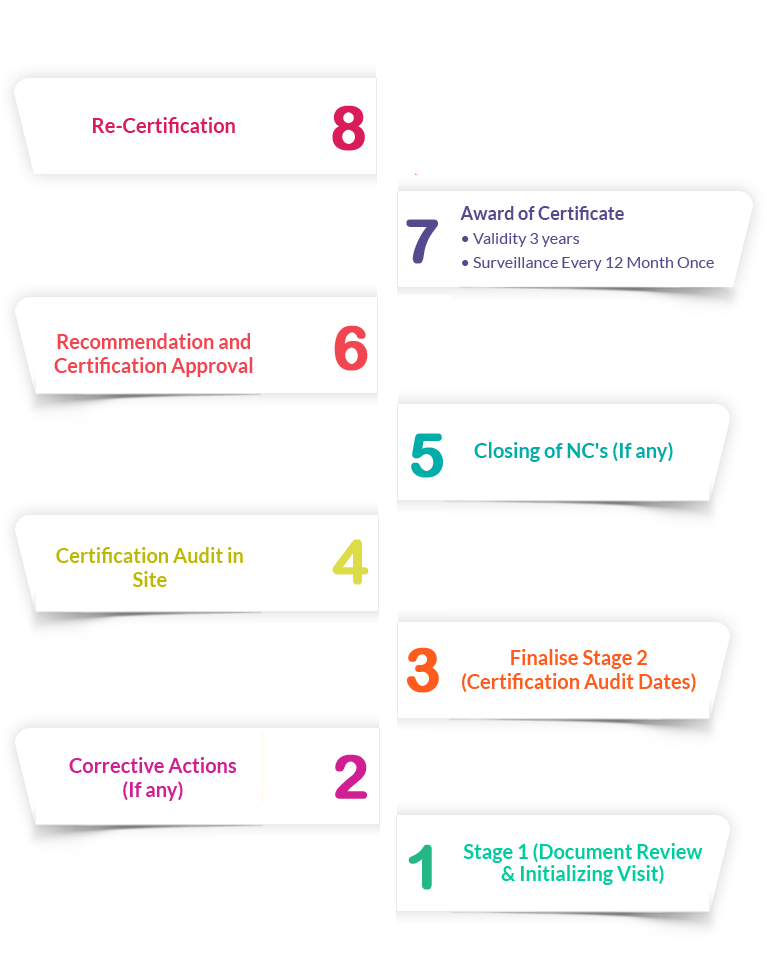
Certification Process
-
01
Preliminary Audit (Optional)
An initial review can identify gaps in energy management practices, energy reviews, baselines, and performance monitoring before certification.
-
02
Certification Audit
Stage 1 and Stage 2 audits assess readiness, documentation, energy reviews, significant energy uses, performance indicators, and implementation of the Energy Management System against applicable requirements.
-
03
Certification Decision
Following satisfactory audit outcomes and the required certification decision, a certificate may be issued for the approved scope.
-
04
Surveillance Audits
Periodic surveillance audits evaluate whether the Energy Management System remains effective and continues to meet applicable requirements.
-
05
Recertification
Recertification is completed before expiry in accordance with the applicable certification scheme and audit requirements.